
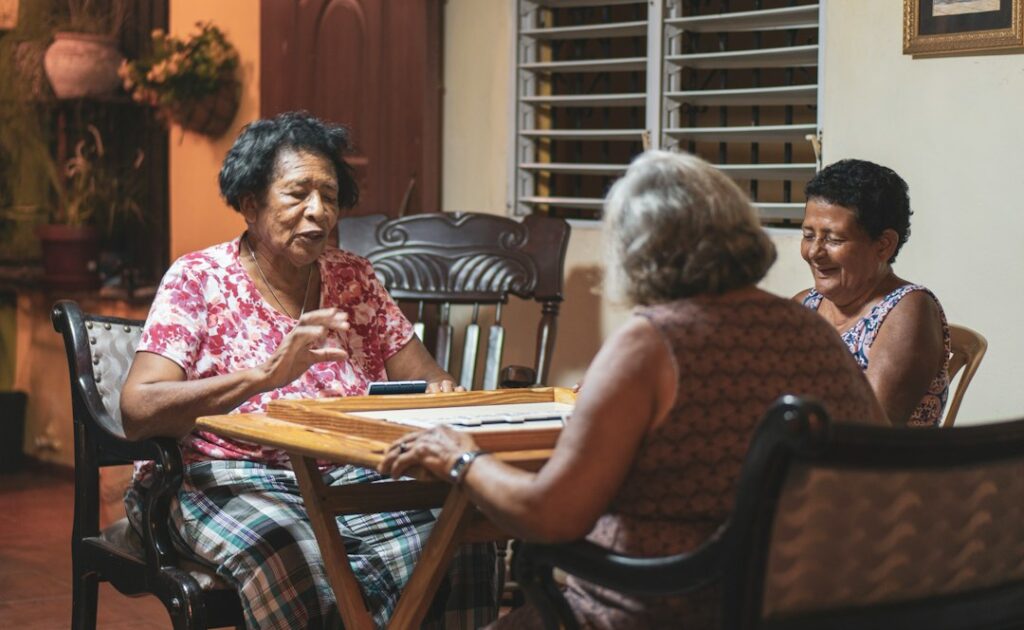
Visiting an assisted living community is a chance to maintain connection, provide reassurance, and share ordinary moments with someone who may be adjusting to changes in health, mobility, or independence. Good visiting etiquette centers on respect: respect for the resident’s routine, privacy, energy level, personal preferences, and living environment.
Should visitors call ahead before coming?
Yes. Calling ahead is generally the most considerate approach, even when visitors are close family members. A resident may have a scheduled activity, personal care routine, medical appointment, meal, rest period, or another visitor.
Advance notice also gives the resident a chance to prepare emotionally and physically. Some older adults enjoy spontaneous visits, while others find unexpected interruptions tiring or stressful.
Before visiting, ask:
- Is this a good day and time?
- Does the resident prefer a private visit or a small group?
- Are there community rules about visiting hours, sign-in procedures, or guest limits?
- Should children or pets be included?
- Is the resident feeling well enough for a visit?
Visiting policies can differ by community and may change during illness outbreaks, severe weather, or other safety concerns. Confirming expectations before arrival helps prevent confusion.
What should visitors do when they arrive?
Follow the community’s check-in and safety procedures. Visitors may need to sign in, wear an identification badge, use hand sanitizer, or answer health-screening questions. These steps protect residents who may be more vulnerable to respiratory illnesses and other infections.
Use a calm voice and avoid walking into a resident’s apartment or room without permission. Knock first and wait for an answer. If the resident has a roommate, acknowledge that the roommate also deserves privacy and comfort.
During winter in Wilkes-Barre, PA, wet floors, snow, ice, and heavy coats can create extra safety concerns near entrances. Remove wet footwear where appropriate, keep walkways clear, and avoid leaving umbrellas, bags, or mobility equipment where someone could trip.
How long should an assisted living visit last?
A shorter, comfortable visit is often better than a long visit that leaves the resident exhausted. Many residents enjoy visits lasting 20 to 60 minutes, but the right length depends on the person’s health, attention span, mood, and daily schedule.
Watch for signs that the visit should end:
- The resident becomes quiet, restless, drowsy, or confused.
- Conversation becomes difficult.
- The resident looks physically uncomfortable.
- The resident mentions being tired or needing to rest.
- Staff begin preparing for a meal, activity, medication pass, or bedtime routine.
Ending before the resident becomes overwhelmed can make future visits more enjoyable. A simple statement such as, “I’m glad I came, and I’ll let you rest now,” provides a respectful transition.
What topics and activities work well during a visit?
The most meaningful visits often involve familiar subjects and shared activities rather than demanding conversation. Ask open-ended questions, but do not pressure the resident to remember details or respond quickly.
Helpful conversation starters include:
- What has been the best part of your day?
- Have you enjoyed any activities this week?
- Would you like to look at photographs?
- Is there anything you would like brought during my next visit?
- Would you rather talk, listen to music, or sit quietly?
Possible activities include looking through family pictures, reading a newspaper or short story, folding laundry, working on a simple puzzle, listening to familiar music, or taking a supervised walk if permitted.

Avoid turning every visit into an examination. Repeated questions about food, medication, bathing, finances, or staff performance can make a resident feel monitored rather than visited. Those concerns may still need to be addressed, but they are usually better handled privately and respectfully with the appropriate staff or family members.
How should visitors communicate with someone who has memory loss?
Speak directly to the resident, not about the resident as though the person is absent. Use a calm tone, short sentences, and one question at a time. Allow extra time for an answer.
If the resident repeats a question or forgets a recent event, respond patiently. Correcting every mistake can increase frustration. In many situations, emotional reassurance is more helpful than proving a detail is incorrect.
For example, if a resident asks when a family member is coming even after being told, a reassuring response may work better than saying, “I already explained that.” A visitor might say, “You are thinking about them. They plan to visit later this week, and I can write it down for you.”
Avoid arguing about memories, testing the resident, or making jokes about confusion. If the resident becomes upset, shift attention to a familiar object, activity, or topic.
Are children and pets appropriate visitors?
Children and pets can bring warmth and familiarity, but visits should be planned around the resident’s preferences and the community’s rules. Young children may need preparation before entering a quieter setting. Explain that the resident may speak slowly, use a walker, repeat questions, or need to rest.
Keep visits flexible. A child does not need to sit still for a long period; drawing a picture, showing a school project, or sharing a short story may be enough.
Pets may be allowed only under specific conditions involving vaccination records, behavior, cleanliness, leashes, and resident safety. Never bring an animal into a resident’s room or a shared area without checking first. Some residents have allergies, fears, or health conditions that make animal visits unsuitable.
What should visitors do if they are sick?
Visitors should postpone an in-person visit if they have fever, vomiting, diarrhea, a significant cough, or other symptoms of a contagious illness. This remains true even if the symptoms seem mild. Older adults may face more serious consequences from infections.
If a visit is important, ask whether a phone call, video conversation, window visit, or card exchange is possible. Follow any temporary precautions established by the community during flu season or other periods of increased illness.
Hand hygiene is also important. Wash or sanitize hands when entering and leaving, and avoid touching shared surfaces unnecessarily.
How can visitors respect the resident’s independence?
Assisted living provides support, but it does not eliminate a resident’s right to make choices. Ask before helping with clothing, food, mobility equipment, personal items, or communication.
Do not rearrange the resident’s room, discard belongings, or bring large amounts of food without permission. Familiar objects may have emotional value, even if they appear unnecessary to someone else.
If a resident uses a walker, wheelchair, hearing aid, glasses, or communication device, keep those items within easy reach. Never move mobility equipment without asking. Do not pull on a person’s arm or attempt to help someone stand unless the resident has requested assistance and the action is safe.
What if a visitor notices a concern?
A visitor who notices a sudden change in mood, mobility, appetite, confusion, skin condition, or general health should share the observation calmly with the appropriate staff member. Describe what was seen and when, rather than making accusations or assumptions.
For example, “She seemed unusually sleepy and had difficulty standing today” is more useful than “No one is taking care of her.”
Urgent symptoms, a fall, breathing difficulty, chest pain, severe bleeding, or a sudden serious change require immediate attention from staff and emergency services when necessary. Visitors should not attempt to diagnose or treat a medical problem independently.
Respectful visits are built from small choices: arriving at a suitable time, listening patiently, protecting privacy, following safety rules, and leaving before the resident becomes tired. These habits help preserve dignity while keeping family and community relationships strong.
