

What Helps Assisted Living Feel Like Home?
A sense of home in assisted living grows from familiar routines, meaningful personal touches, and community connections. For residents in Wilkes-Barre, this adjustment involves both emotional and practical steps.
Familiar belongings play a large role. Bringing cherished items—photographs, quilts, and decor—can quickly transform a new space. Arranging furniture in a style similar to a previous home, displaying favorite artwork, or keeping a treasured chair often helps residents feel grounded.
Personal routines matter. Continuing breakfast traditions, favorite snacks, or afternoon reading can help daily life feel more natural. Some residents enjoy setting up a familiar radio station or arranging a seating area for visiting family, mirroring habits from their previous home.
How Can Personalization Go Beyond Decorations?
Personalizing a space means more than just unpacking boxes. In Wilkes-Barre’s climate, additions like heavy throw blankets, houseplants suited to moderate sunlight, or local artwork create comfort in every season.
Consider practical needs alongside mementos:
- Adjustable lighting for variable weather and shorter winter days
- Easy access to a favorite bookshelf or hobby supplies
- A dedicated spot for seasonal gear—like coats and boots during the city’s snowy months
Adding these thoughtful touches often helps residents feel prepared and comfortable, no matter the time of year.
Can Residents Maintain Connections to the Community?
Yes—local connections ease the transition into assisted living in Wilkes-Barre. While moving into a new setting can feel isolating, continuing relationships and community activities is possible.
Residents often stay in touch with neighborhood friends, faith groups, or favorite clubs. Local libraries, parks, and senior programs offer opportunities to maintain a familiar routine outside the assisted living community, or to welcome old friends for a visit.
Participating in city events—fairs, seasonal parades, or cultural celebrations—can provide comforting continuity. For those less mobile, engaging with local newspapers or radio keeps residents plugged into city life.
How Do Climate and Seasons Influence the Sense of Home?
Wilkes-Barre’s four-season climate shapes daily comfort. Residents often want warmth in winter and bright cheer during overcast days.
Practical solutions include:
- Adding layered bedding for cold months
- Keeping extra throws or slippers handy by the bed or chair
- Placing plants or setting light timers to mimic natural sunlight during short days
Rotating decorations to match local seasons—evergreens in winter, bright colors in spring—can boost mood and help a space feel fresh.
What Role Do Daily Choices and Autonomy Play?
Having choices in everyday routines makes a big difference in feeling at home. Residents in Wilkes-Barre value the ability to select their clothing, decide meal times, and choose activities that match past interests.
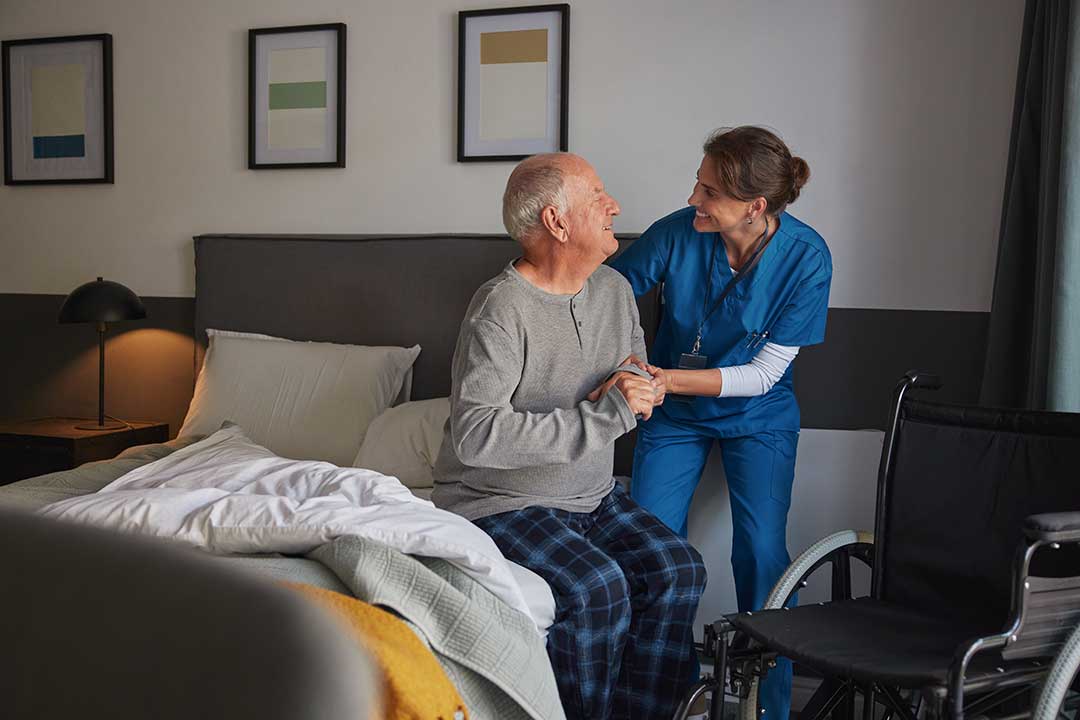
Small, regular decisions—like setting meal preferences or arranging a personal reading corner—help maintain one’s sense of independence. Even in shared spaces, organizing how and when to participate in communal events or choosing visitors supports personal agency.
Overlooked Ways to Foster a Home-Like Feeling
Sometimes residents focus on furniture or mementos while overlooking sensory experiences and social rituals that made previous homes comforting.
Sound and scent are often underestimated. Playing familiar music, setting out a favorite hand lotion, or brewing coffee in the morning can quickly signal “home.” Scented sachets, seasonal flowers, or displaying keepsakes from family visits offer gentle reminders of continuity.
Personal traditions—like weekly phone calls with relatives, sending holiday cards, or keeping a puzzle or knitting project in progress—are ongoing sources of comfort.
What About Safety and Accessibility Without Sacrificing Comfort?
Ensuring safety and accessibility can feel clinical, but balancing these with personal comfort is possible. In Wilkes-Barre’s older housing stock, people are used to adapting to stairs, uneven floors, or winter weather, so many transition skills naturally transfer.
Residents can:
- Select cushioned mats for soft landings without creating tripping hazards
- Use decor like bright, familiar rugs to make wayfinding easier
- Place sturdy chairs and grab bars where needed but choose colors or styles that match their tastes
Choosing adaptive items in favorite colors, or adding visual cues from past homes, blends function with familiarity.
How Can Families and Friends Support This Transition?
Ongoing involvement from loved ones is crucial. Regular visits, calls, or sending small packages helps residents feel remembered. Sharing favorite recipes, stories, or family news provides meaningful connection.
Sometimes it’s the small efforts—helping arrange furniture, organizing a closet, or displaying children’s artwork—that creates the most comfort.
Families who encourage participation in community events or cultural traditions can help residents find continuity between their new setting and past routines.
